Art at sea, how to safeguarde and showcase fine collections on superyachts

Vuoi salvare articoli per un rapido accesso?
Sali a bordo della community DN Plus.
Per te, un'area riservata con: approfondimenti esclusivi, i tuoi articoli preferiti, contenuti personalizzati e altri vantaggi speciali
Accedi RegistratiFrom design to daily management, a journey into the world of art on board superyachts through the vision of Pandora Mather-Lees, spanning conservation, design, and cultural responsibility.
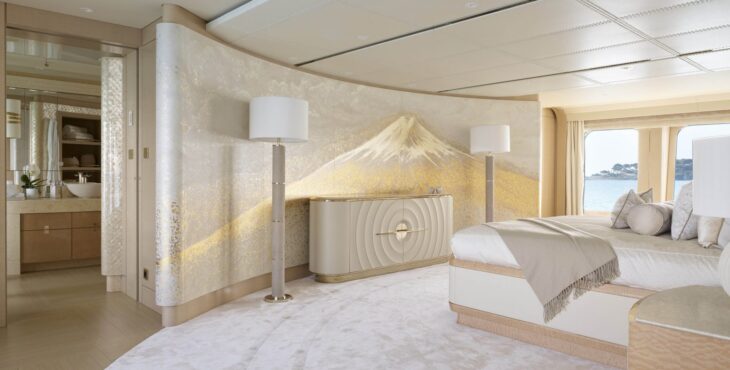
From design to daily management, a journey into the world of art on board superyachts through the vision of Pandora Mather-Lees, spanning conservation, design, and cultural responsibility.
Designing with Art in Mind
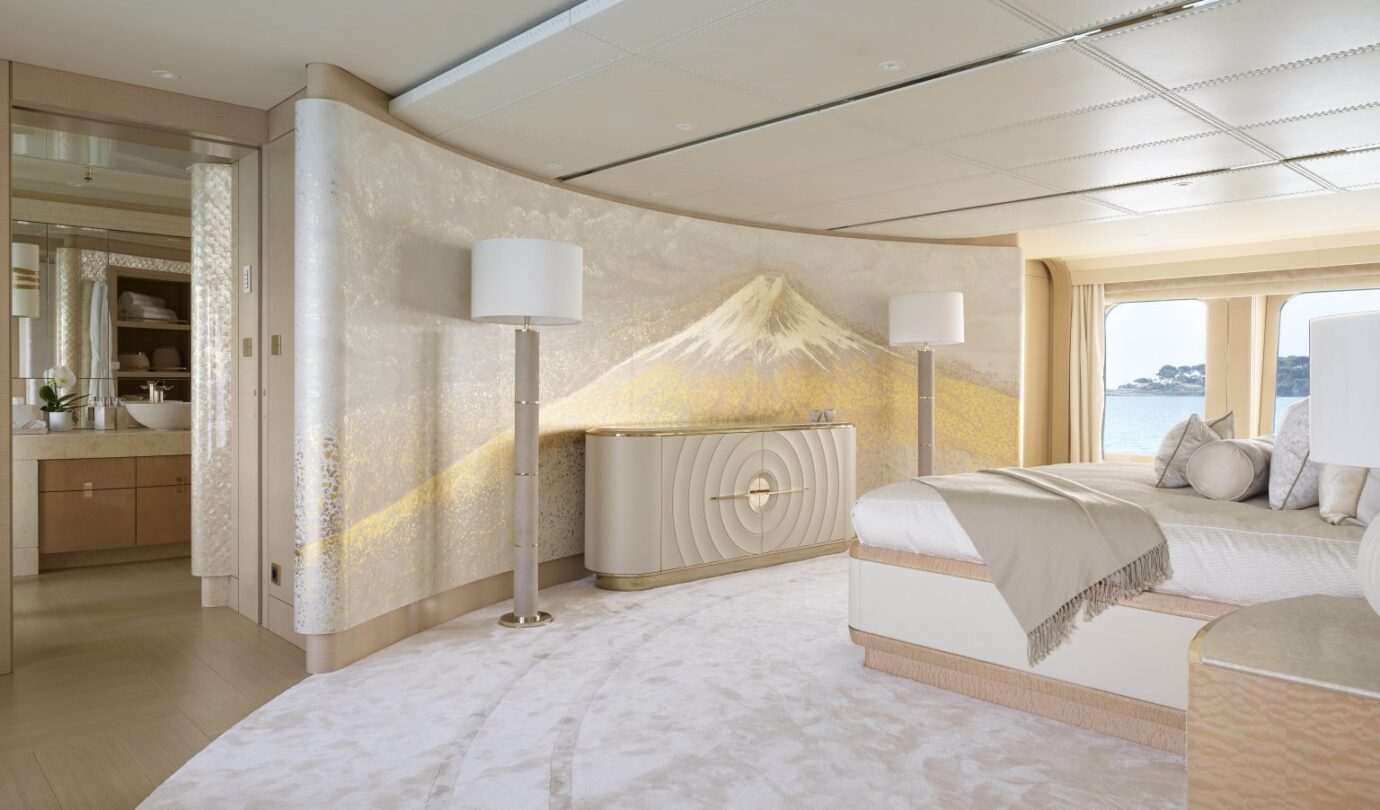
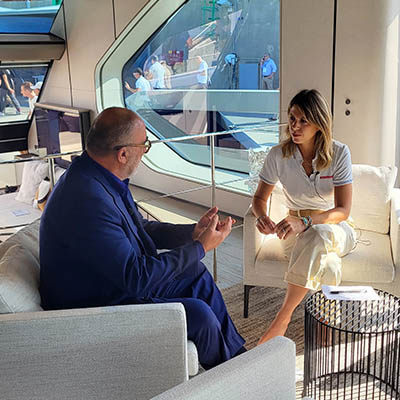
Following this week’s feature “Art onboard superyachts between design, conservation, and innovation”, the conversation naturally turns to those who ensure art can be both protected and experienced at sea. Pandora Mather-Lees, founder of Art On Superyachts, has spent more than twenty years working across galleries, museums and specialist art platforms, translating museum-grade standards into a maritime context. For her, the foundation of any successful onboard collection lies in early planning. “Shipyards and designers – she explains – must approach art with foresight,” ensuring works are neither too heavy nor poorly positioned, but instead integrated into the interior narrative from the outset.
Materials, Regulations and Marine Reality
Not all artworks are suited to life on board. Mather-Lees stresses the importance of understanding both materials and regulations. Works incorporating CITES-listed elements, such as ivory or certain woods, require correct licensing, while sculptures and kinetic pieces must be secured with marine-grade fixings to prevent corrosion. “Fragile media like watercolours or delicate fabrics – she notes – are far more vulnerable than oils or acrylics,” and demand especially careful placement. Mounting systems, she adds, must combine museum-level security with engineering capable of resisting vibration and movement.
Living with the Sea
Environmental exposure remains one of the greatest challenges. Conservators speak of the “agents of deterioration”, and at sea, saline air, humidity and temperature fluctuations are constant concerns. While climate systems can be calibrated for fine art, modern layouts introduce new risks. “Open decks, private terraces and beach clubs – she observes – connect directly to the marine environment,” making certain spaces unsuitable for sensitive works. She advises avoiding water-based pigments and porous materials such as alabaster, while noting that crystal sculptures can offer both resilience and visual impact. Light damage, she warns, is irreversible and must be carefully managed.
Installation as a Critical Moment
If environment poses long-term risks, installation represents an immediate one. “Human intervention – Mather-Lees says – is far more often the cause of damage than climate.” Specialist art logistics companies should always be involved, ensuring works are correctly handled, aligned with the owner’s sightlines and securely mounted. Protective measures such as 99% UV-reflective glazing help reduce light exposure, while lighting systems should be designed to switch off when artworks are not in use.
Art as a Long-Term Commitment
Collections evolve over time, making storage and rotation central considerations. Mather-Lees emphasises that while installation during a new build is relatively straightforward, refits require far greater care. Location, climate, security, tax implications and trained personnel all come into play. “Effective risk assessments and a dedicated art manager are essential,” she explains, ensuring continuity and protection throughout the yacht’s lifecycle.
Logistics, Records and Responsibility
Managing art on board is a collaborative effort. On larger yachts, an art manager works alongside the captain; on smaller yachts, responsibility is shared among senior crew with external support. Planning ahead is crucial, as is rigorous documentation. “Poor record-keeping – Mather-Lees notes – is one of the biggest risk factors,” making detailed inventories and data management a core part of onboard procedures.
Training and Cultural Awareness
Crew training underpins every aspect of care. Through structured courses and onboard sessions, Mather-Lees combines practical guidance with art appreciation. “When crews understand – she says – the significance of what they are caring for, risks are significantly reduced,” particularly during maintenance, refits, crew changes or charters. Visible support from captains and managers reinforces this culture of responsibility.
Advice for the Next Generation of Designers
For young designers, Mather-Lees recommends specialist training and learning from experienced interior teams. Understanding the collector’s strategy is key, whether it involves acquiring new works, focusing on maritime themes or exploring digital art. She also suggests keeping reference books on board, adding context and narrative to collections that are increasingly becoming an integral part of life at sea.